
Cultivating social, emotional, &
ecological intelligence
Nature-Based Program Approach
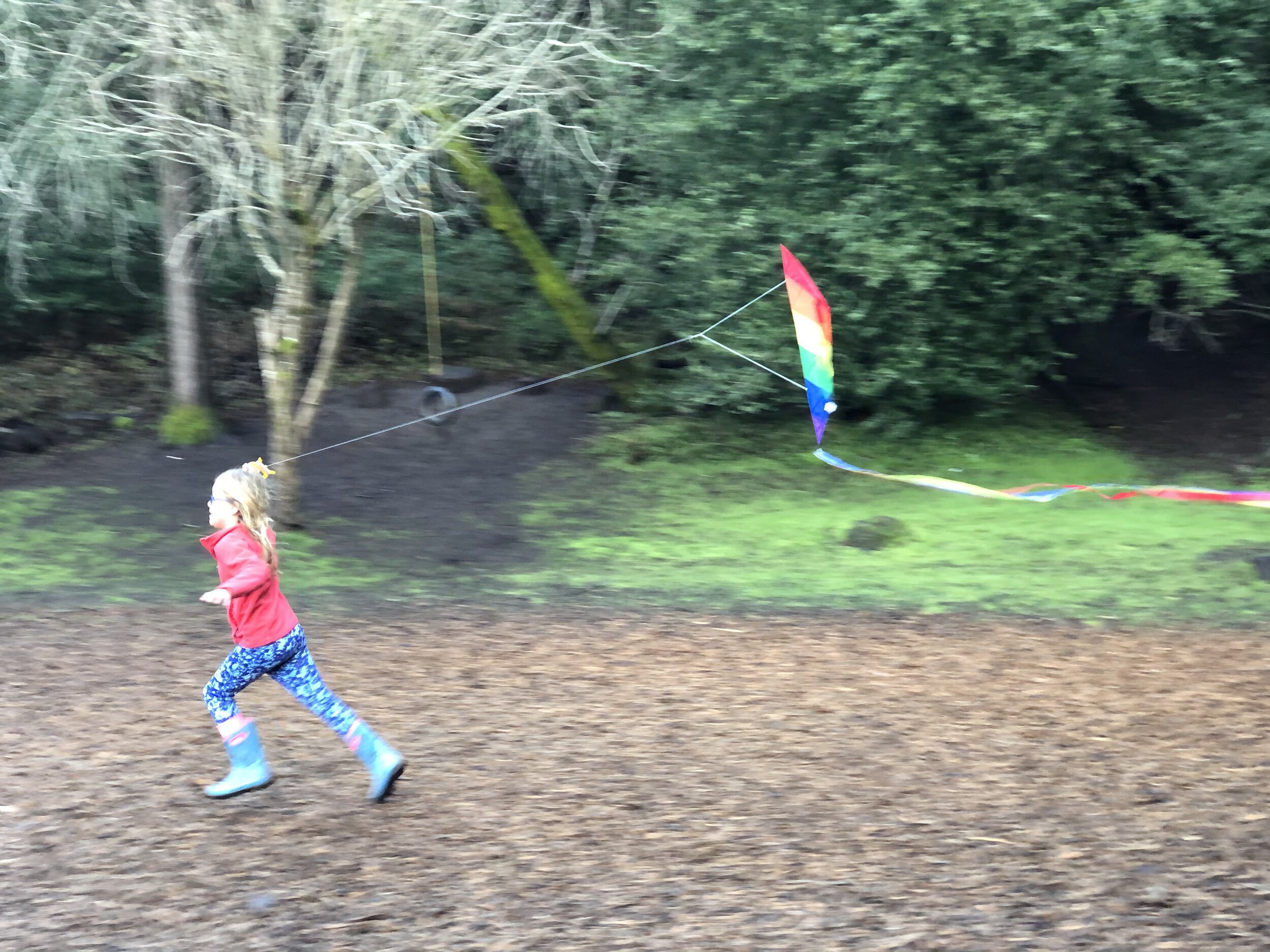
For over 30 years, Connolly Ranch Education Center (CREC) has provided meaningful nature-based experiences designed to foster social, emotional, physical, and ecological growth. Children and youth learn through relationships, hands-on experiences, outdoor recreation, exploration, and direct engagement with our animals, gardens, WildSpaces, caring staff, and one another.
Our natural environment is dynamic and ever-changing, creating authentic, in-the-moment opportunities to pause, wonder, explore, and learn from “what just happened.” Rather than leading with answers, our staff lead with inquiry—encouraging participants to observe, ask questions, make choices, make connections, take developmentally appropriate risks, solve problems, collaborate with others, and develop their own understanding of the world around them.
Through our In-With-For Learn & Relationship Approach, we create experiences that support confidence, independence, resilience, curiosity, belonging, and connection. We seek to nurture dynamic learners, mindful leaders, divergent thinkers, compassionate community members, and caring stewards of the natural world.
Our 13-acre property provides an expansive setting for outdoor exploration, recreation, discovery, and connection. The Farm—home to more than 30 animals—along with our edible and pollinator gardens and WildSpaces, gives children and youth opportunities to engage their senses, follow their curiosity, develop new skills, build meaningful relationships, participate in group experiences, and experience the joy and wonder of spending time outdoors.
CREC’s approach is informed by established practices in outdoor experiential learning, positive youth development, nature connection, and relationship-based programming. Our organizational relationships, accreditation, and philosophical influences include the American Camp Association (ACA), Children & Nature Network, Natural Start Alliance, Reggio Emilia Approach, Waldorf Education, Association Montessori Internationale, and principles found in Forest School practice.
Across our programs for children, youth, and teens, the natural world is more than the setting for the experience—it is an active participant in discovery, growth, recreation, relationship-building, and connection.
In-With-For Learning & Relationships ©
How we grow as individuals, families, communities, and beyond comes down to relationships. Connolly Ranch provides learning experiences that help children build healthy relationships with themselves, other people, and the natural world.
General knowledge/Distant relationships (IN nature)
Children share prior knowledge and awareness around a particular topic
Information gathering/Intimate relationships (WITH nature)
Guide children to recognize more intimate, personalized experiences, feelings or insights in order to deepen their understanding
Connective understanding/Integrated relationships (FOR nature)
Children expand out to the greater world to make connections with other experiences or knowledge.


Dynamic Learners
In the Edible Garden, we learn how to be present in nature by engaging our 5 senses. Through hands-on gardening, children not only learn about where their food comes from, they actually play an essential role in the seed to table process. Our Farm - to -Table programs allow children to harvest directly from the garden and learn the ins and outs of cooking a fresh meal.

Mindful Leaders
Our farm animals provide a unique opportunity for children to develop empathy, respect and compassion for all living things. Our interactive animal curriculum fosters an understanding of human impact on animal wellbeing as children learn how to take care of our goats, pigs, chickens, sheep, donkeys and horses. Through these personal interactions, kids develop an understanding of animals' inherent nature as well as their individual personalities.

Divergent Thinkers
Our Wild Spaces lend to the freedom of exploration - a space where children can dive into their imaginations and have meaningful connections with nature. This is where divergent thinking comes alive as kids are presented with endless opportunities to problem solve and work together. Whether they are designing a tree fort, attempting to get a heavy log from one end to the other or playing a group game, children are taking risks, communicating with one another and building lasting self - confidence.
Screen-Free Environment
Connolly Ranch is dedicated to maintaining our screen-free environment
An environment free of screens is important for several reasons:
1. Healthy Development: Excessive screen time at a young age can have negative effects on children's physical health, mental well-being, and social development. It can lead to sedentary behavior, disrupted sleep patterns, and delayed development of fine motor skills.
2. Social Interaction: Screen time often isolates children from face-to-face social interactions, which are crucial for learning communication skills, empathy, and cooperation. Interacting with peers and teachers in a screen-free environment promotes healthy social development and emotional intelligence.
3. Creativity and Imagination: Screens can limit children's opportunities for imaginative play and creative expression. A screen-free environment encourages children to engage in open-ended play, storytelling, and artistic activities, fostering creativity and imagination.
4. Attention Span and Concentration: Excessive screen time has been linked to attention problems and reduced ability to focus. By minimizing screen exposure, preschools can support the development of sustained attention and concentration, which are essential for learning and academic success.
5. Nature and Sensory Exploration: A screen-free environment encourages children to explore the natural world and engage their senses through hands-on experiences. Spending time outdoors and interacting with real objects stimulates curiosity, problem-solving skills, and a deeper understanding of the environment.
Overall, screen-free prioritizes holistic child development, promotes healthy habits, and creates a nurturing environment where children can thrive socially, emotionally, cognitively, and physically.